Ali review
Transparent Garment Covers Help Only When The Size Fits
A practical AliExpress transparent garment cover set review covering garment length, shoulder width, zipper opening, hanger-hole fit, transparent and non-woven cover differences, and cover-only checks.
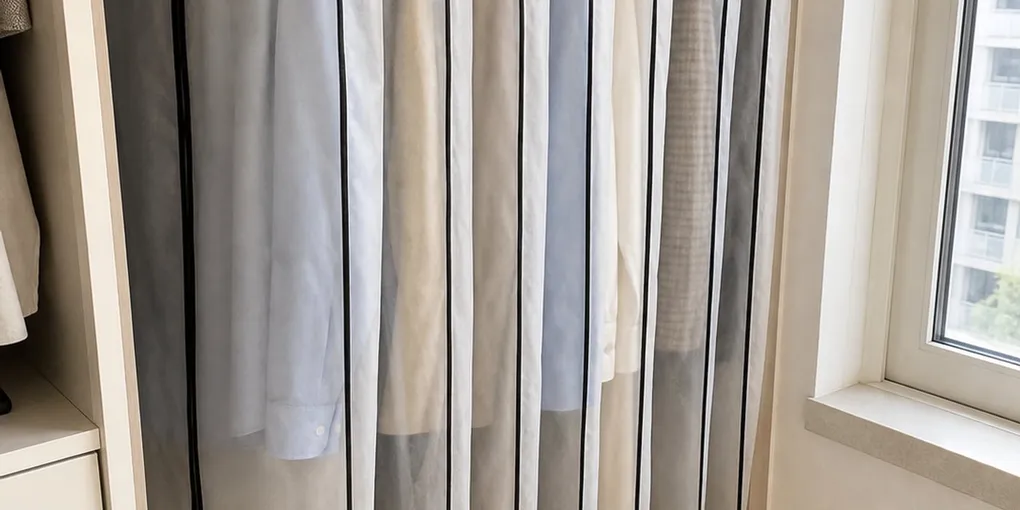
Clothes that stay on a closet rod for a long time tend to blend together. Shirts, jackets, and occasional outfits can disappear into the row, especially when the colors are similar.
This transparent garment cover set is for clothes already hanging on hangers. It is best understood as an individual cover for each garment, not as a new storage system.
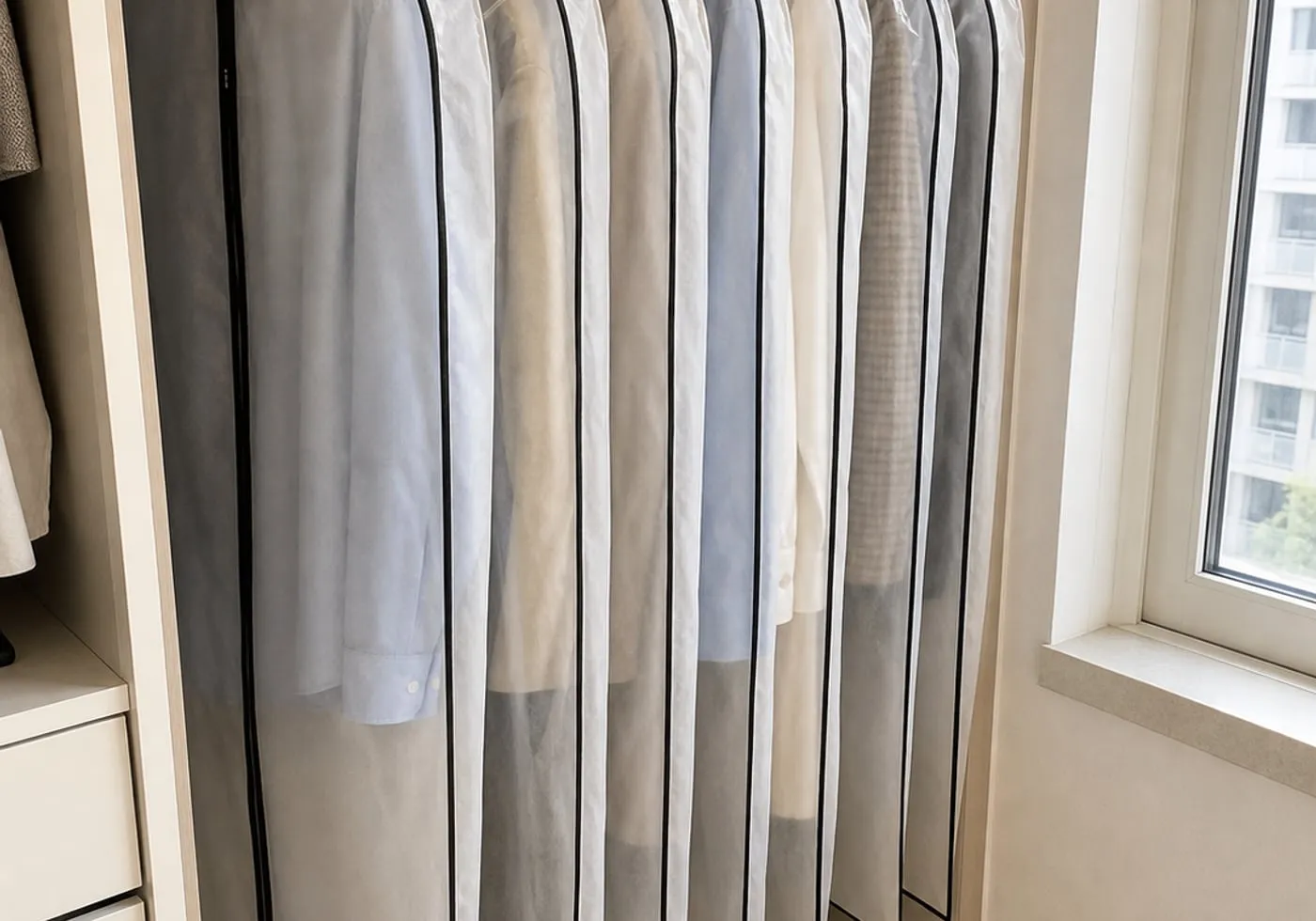
It Covers One Garment At A Time
This product is not the large cover that wraps around an open rack. It is closer to a sleeve for shirts, blouses, jackets, or lighter coats that already hang on a rod.
That means the goal is modest: separate a few pieces, reduce direct exposure on the outer fabric, and make occasional clothes easier to identify. It will not create more closet space or fix an overpacked rod.
Length Comes First
Product photos can make every cover look similar, but length changes the whole experience. A cover that fits shirts may be short for dresses or longer coats, while an extra-long cover can bunch up on a lower shelf.
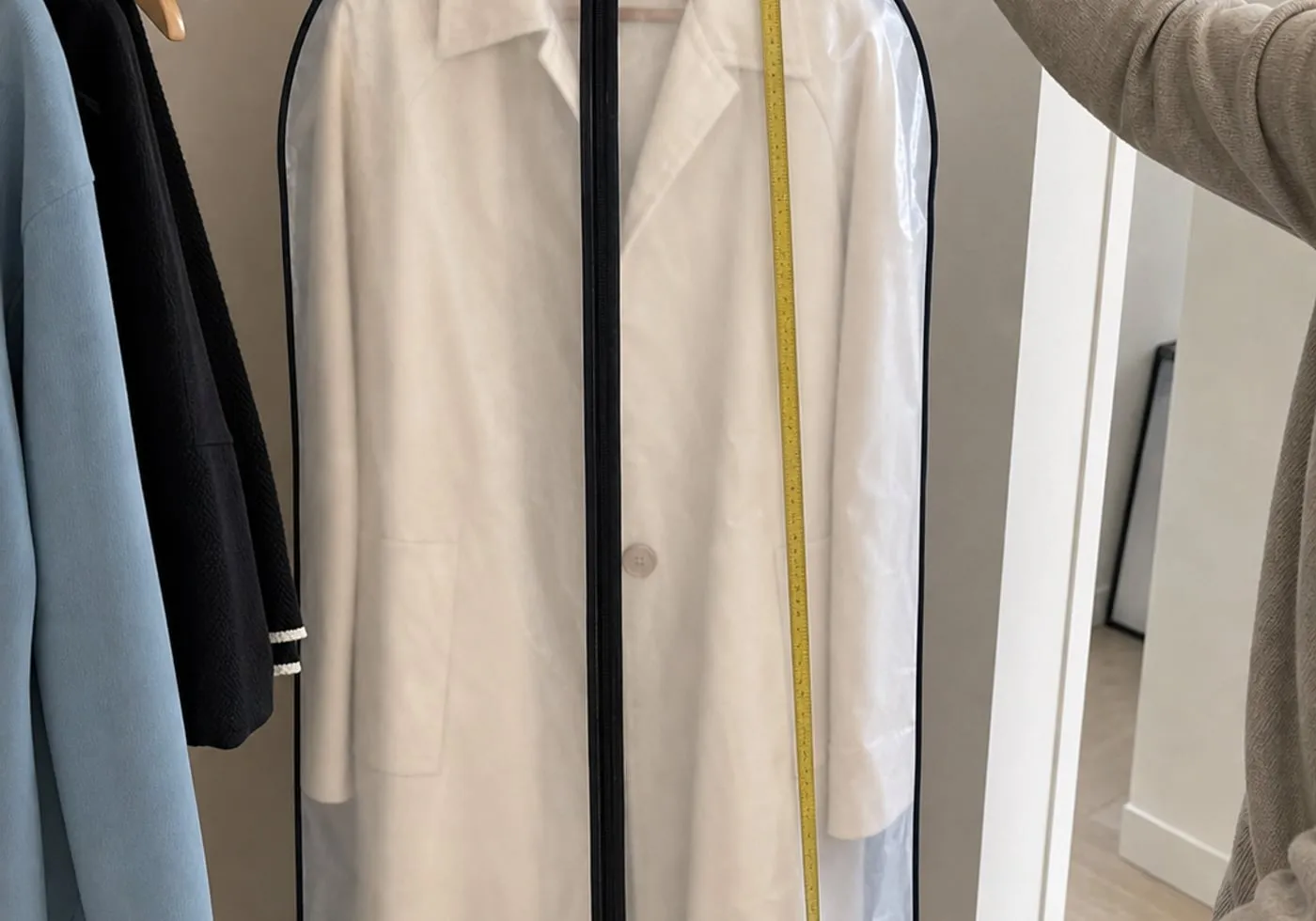
Before choosing, measure from the hanger area down to the hem of the clothes you want to cover. Seasonal pieces, occasional outfits, and light-colored shirts are useful only if the cover actually reaches the right place.
Shoulder Width And Zipper Opening Matter
An empty cover can look roomy, but structured shoulders are the real test. Blazers, padded jackets, and shaped coats need more side room than thin shirts.
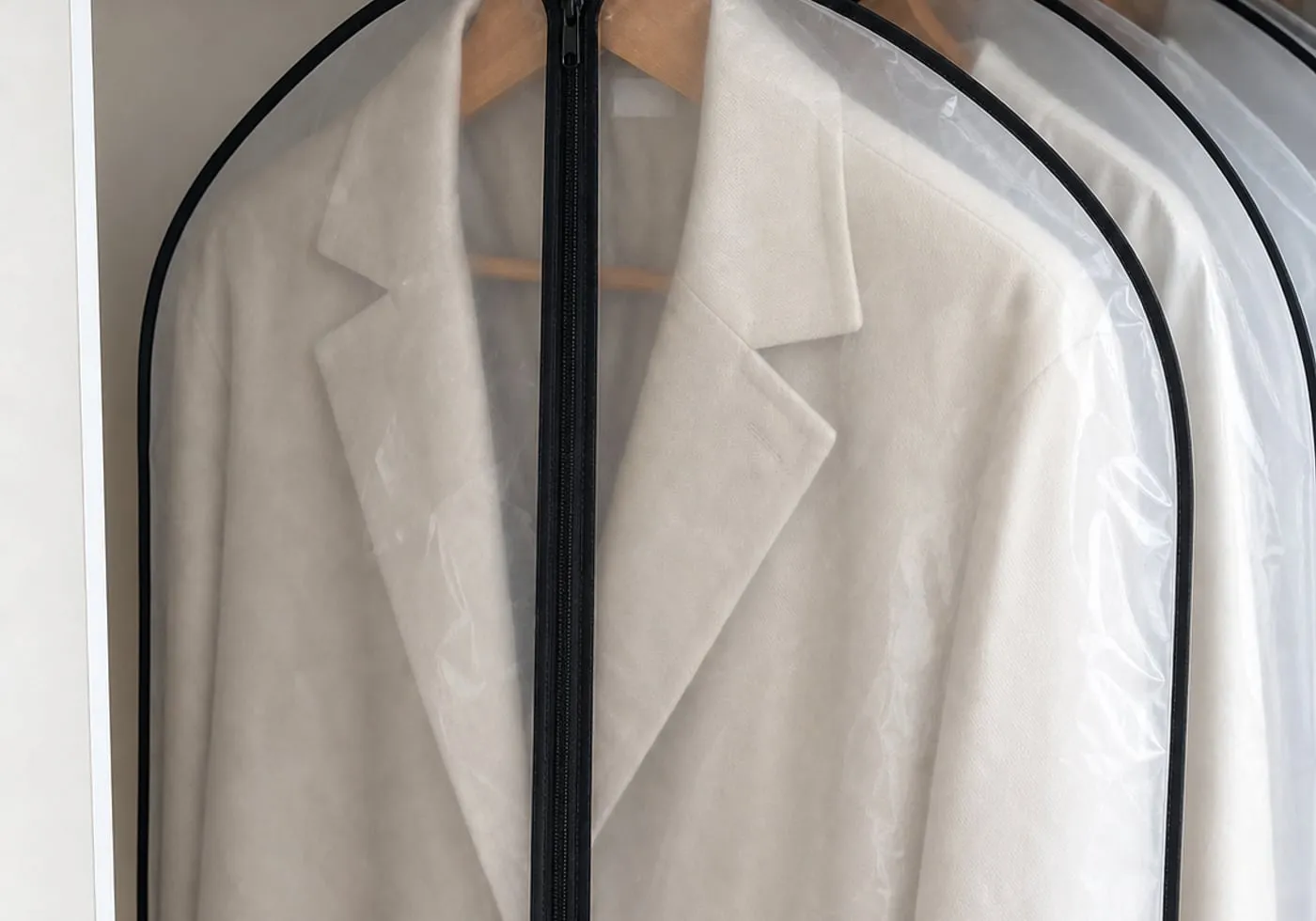
A long front zipper makes the cover easier to use without removing everything from the rod. If the opening is short or the zipper catches fabric easily, it may be better for clothes you rarely pull out.
The Hanger Hole Is A Small Stress Point
The top opening for the hanger hook is easy to ignore. Every time the garment shifts along the rod, that area bends and pulls.
Wide wooden hangers or thick plastic hangers can make the top look strained. A normal slim hanger and one garment per cover usually make more sense than forcing bulky layers inside.
Transparent And Non-Woven Covers Feel Different
The reason to choose a transparent cover is visibility. You can see the color and shape of the garment without opening every sleeve.
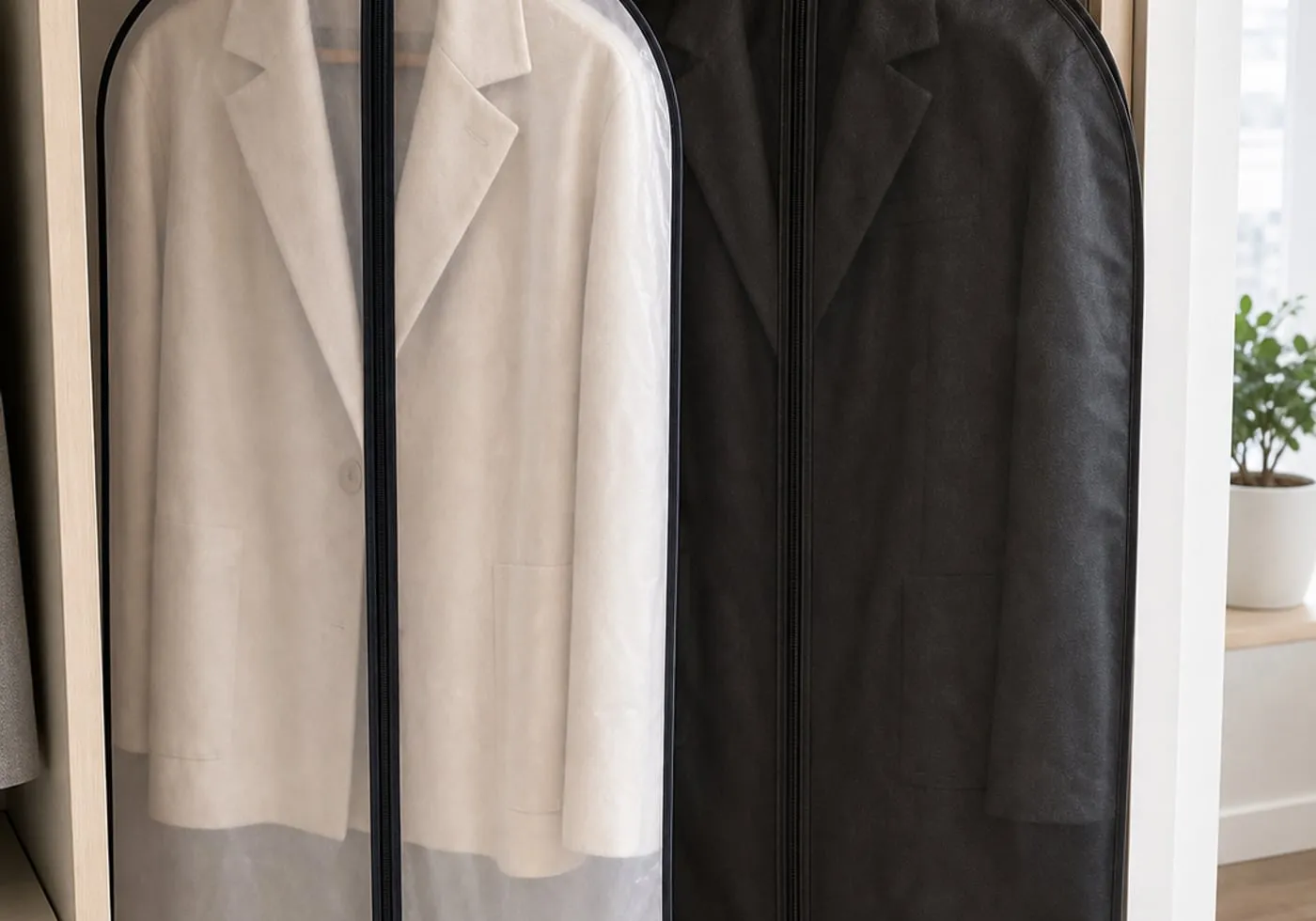
A non-woven garment cover looks calmer in an open closet but hides the contents more. Another transparent garment cover is worth comparing if its length and opening style fit better. The choice is mostly visibility versus a quieter closet look.
Do Not Treat It Like Compression Storage
These covers are not meant to squeeze extra clothes into the closet. If several garments are pushed into one cover, the zipper line and hanger opening take the strain, and the clothes inside can wrinkle more.
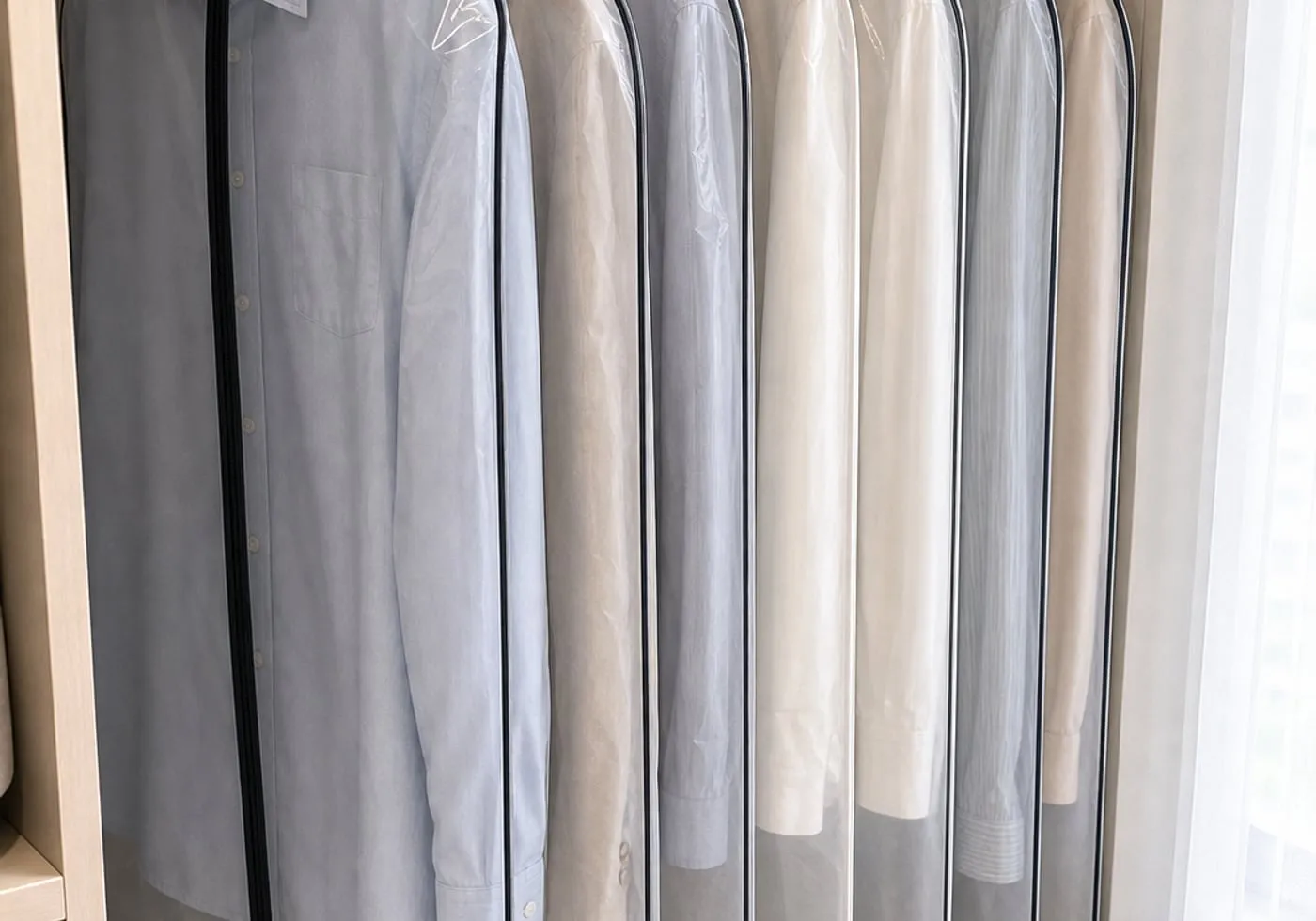
One garment per cover is the cleanest starting point. Very thin sets can work only when the cover still has breathing room.
Best For Visible Seasonal Sorting
This style works well for off-season shirts, light jackets, dress shirts, occasion wear, or pieces you want to keep separate but still identify quickly.
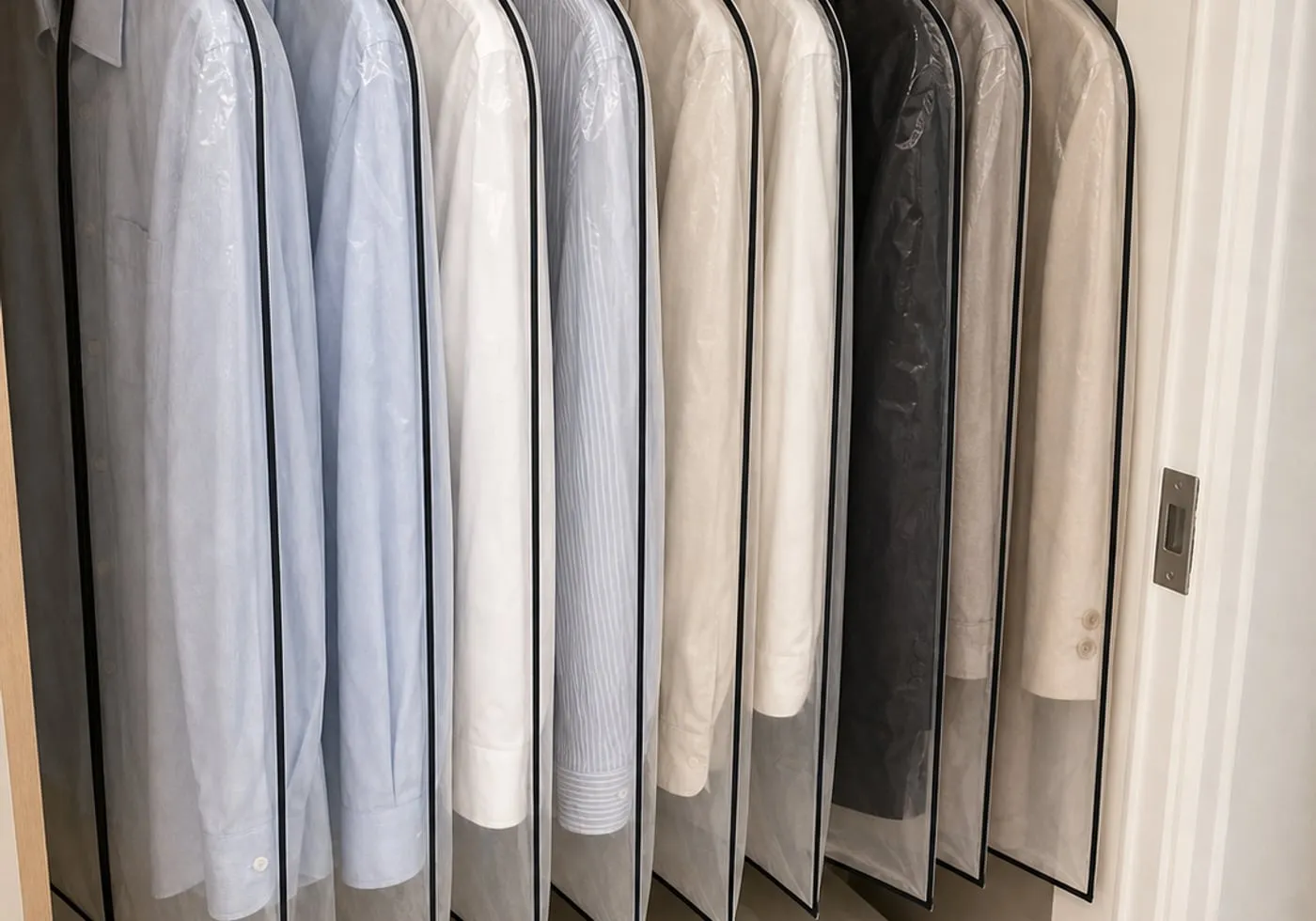
Avoid covering clothes that are still damp or warm from steaming. Let the garment dry and settle first, then cover it.
Final Take
The transparent garment cover set is useful when the problem is sorting and visibility, not storage volume. It works best for individual hanging garments that you want to separate without hiding completely.
Check length, shoulder width, zipper opening, hanger-hole fit, and whether the listing is cover-only. If you want to hide a whole open rack, this is the wrong format. If you want to divide a few visible garments, the transparent type is worth comparing.