Ali review
Is a No-Drill Tension Curtain Rod Good Enough for a Rental Room?
A practical AliExpress look at a no-drill telescopic tension curtain rod, including width measurement, rubber end caps, light-load use, slipping, and wall marks.
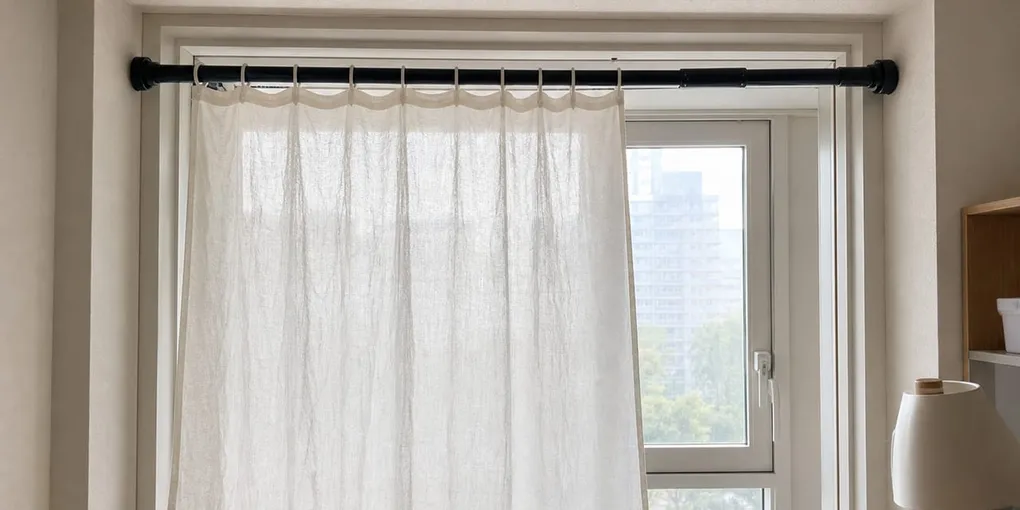
When drilling into a wall is awkward, even hanging a simple curtain becomes annoying. A no-drill tension rod is the simplest answer if you have two solid surfaces facing each other: a window recess, closet opening, bathroom alcove, or cabinet interior.
The main product I would look at first is this 50-260 cm adjustable no-drill tension curtain rod. Think of it as a light-duty fix for curtains, shower liners, closet covers, or small cabinet dividers, not as a heavy curtain rail.
Measure The Inside Width First
Measure the inside wall-to-wall opening where the rod will actually press, not the outside width of the window frame. It is worth measuring in more than one spot because older walls and tiled bathrooms are not always perfectly parallel.
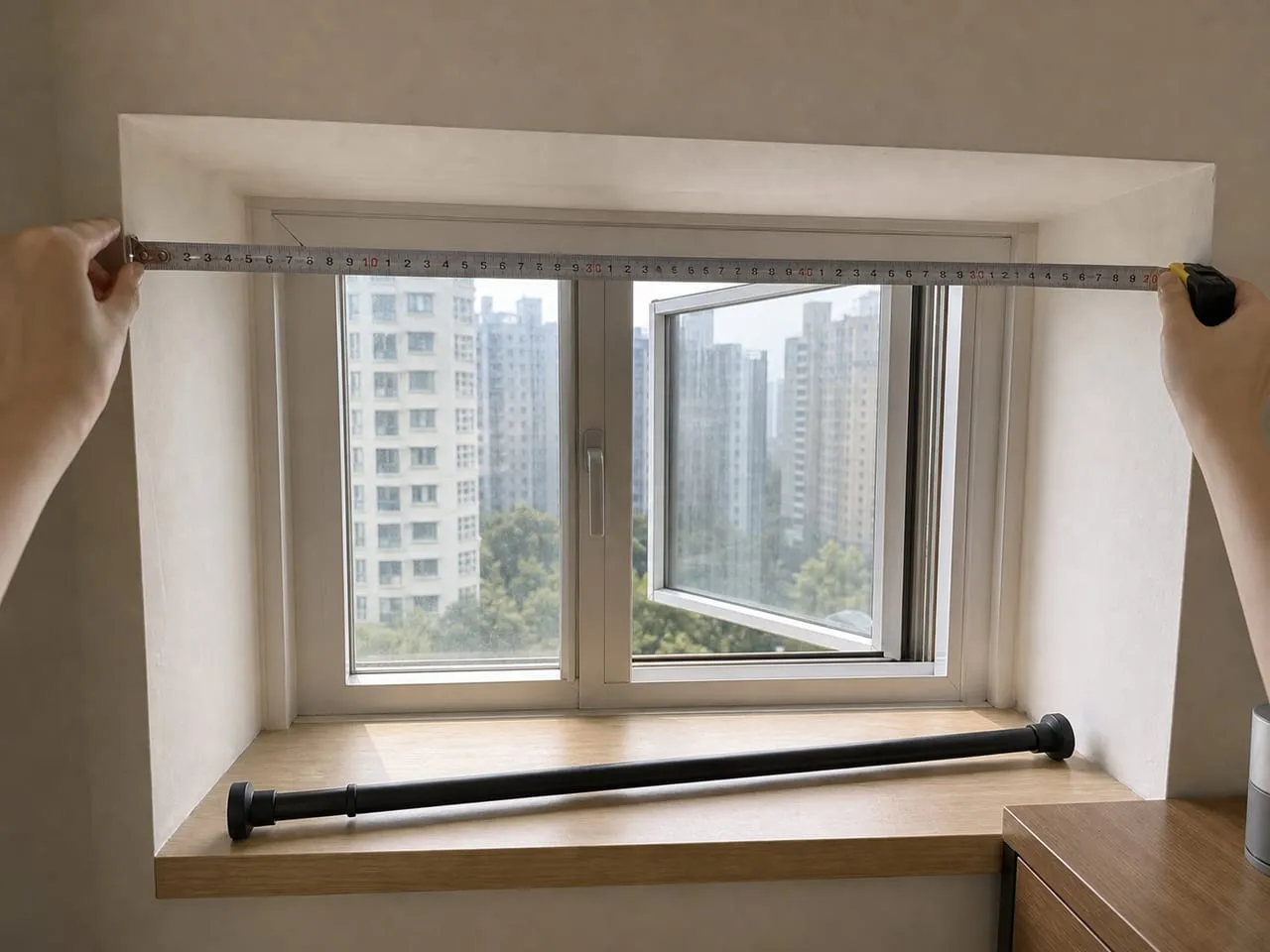
Avoid using a rod at the very end of its extension range. The closer it gets to maximum length, the more it can flex and the weaker the tension can feel. Also check the selected option carefully because the same listing can include different lengths and diameters.
The End Cap Contact Matters
Most tension-rod complaints come down to slipping. Clean and dry both contact points before installation. Dust, moisture, or oil on the wall can make the rubber cap move even if the rod itself looks fine.
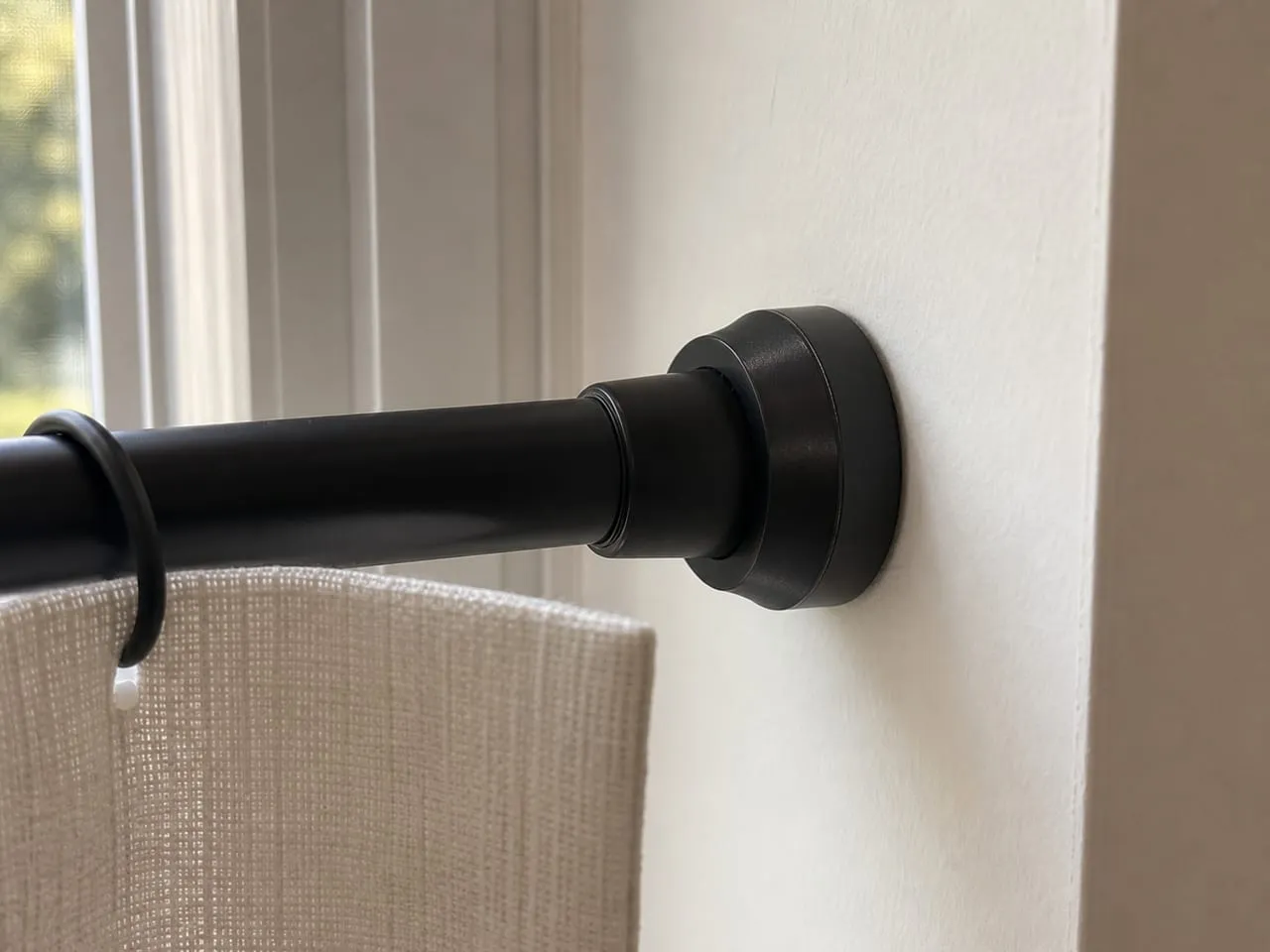
Glossy tile and smooth painted walls can be slippery. Weak wallpaper or old paint can have the opposite problem: the cap may leave a pressure mark or pull at the finish. No-drill does not always mean zero trace, especially in a rental.
Keep The Load Light
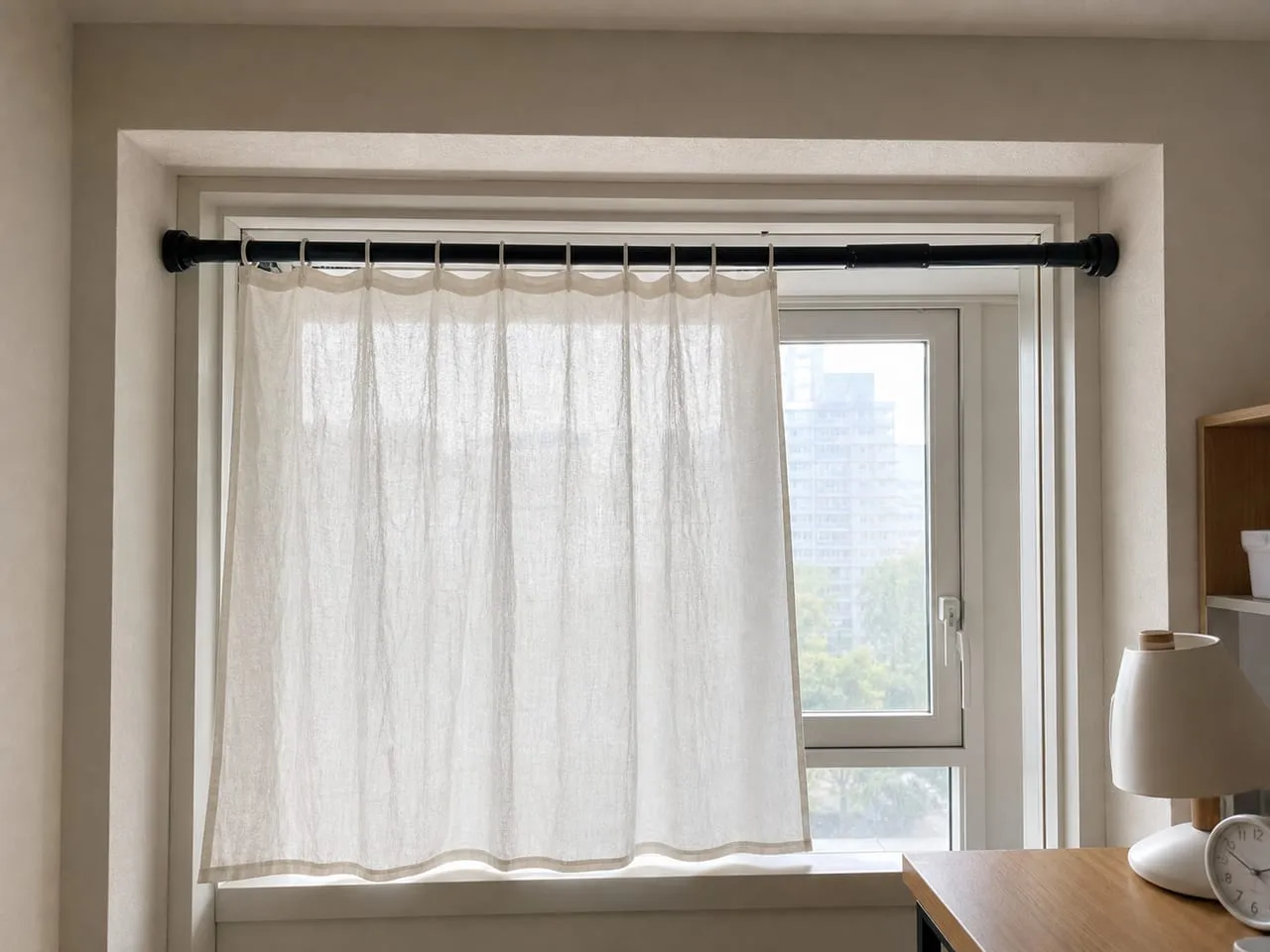
This kind of rod makes sense for a sheer curtain, light fabric curtain, shower liner, closet privacy curtain, or one or two towels. It is not the right tool for heavy blackout curtains, wet laundry, hanging baskets, plants, boards, cookware, or anything dangerous if it falls.
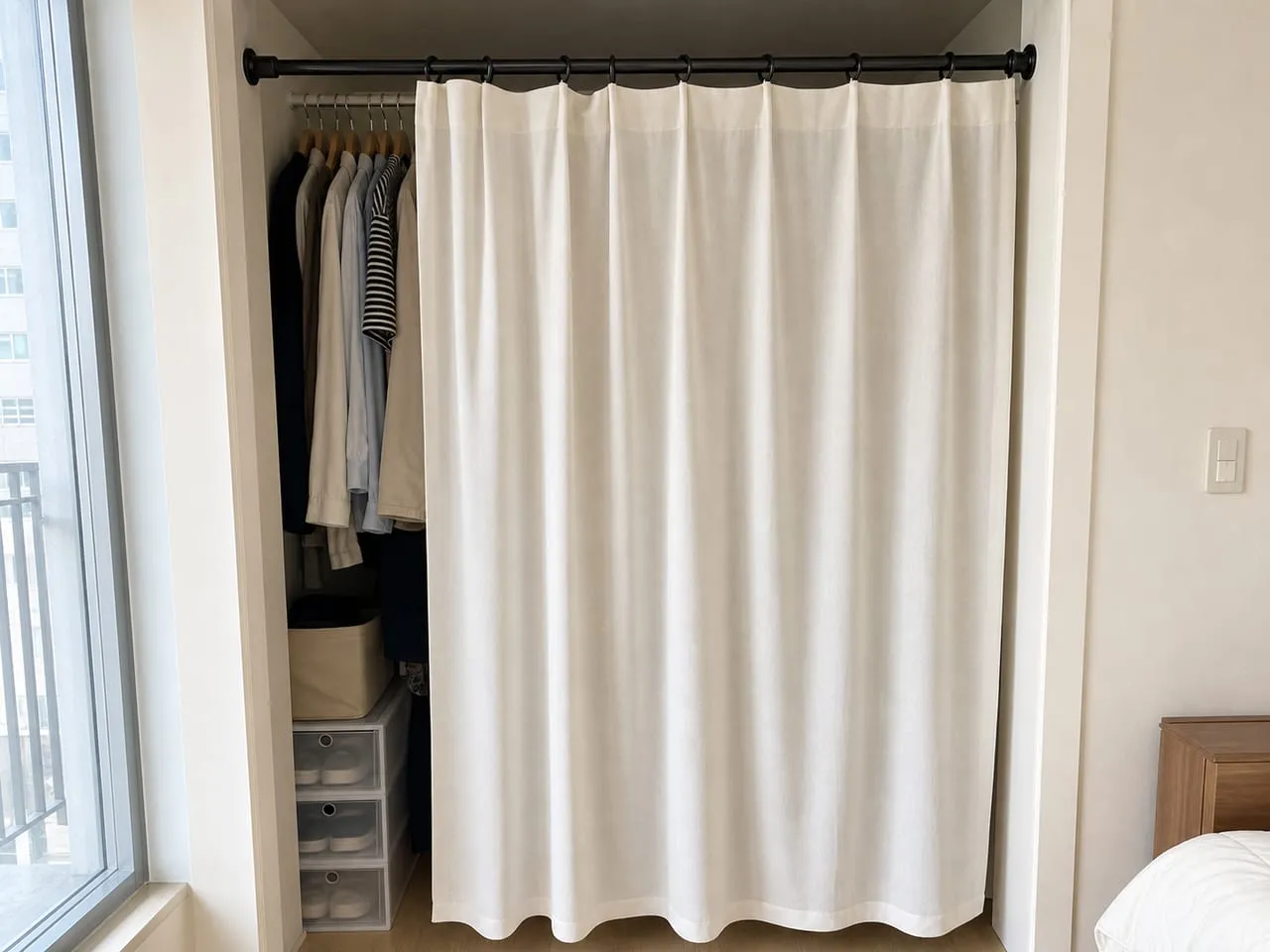
For a closet cover, the idea works well because the curtain mostly hides visual clutter. It is less convincing if you plan to pull it hard every day like a real door. After installing it, check whether the rod has moved after a day or two.
Cabinet Use Should Stay Light
Small tension rods can also help inside a cabinet. They can keep towels, paper rolls, or soft bags from spilling forward.
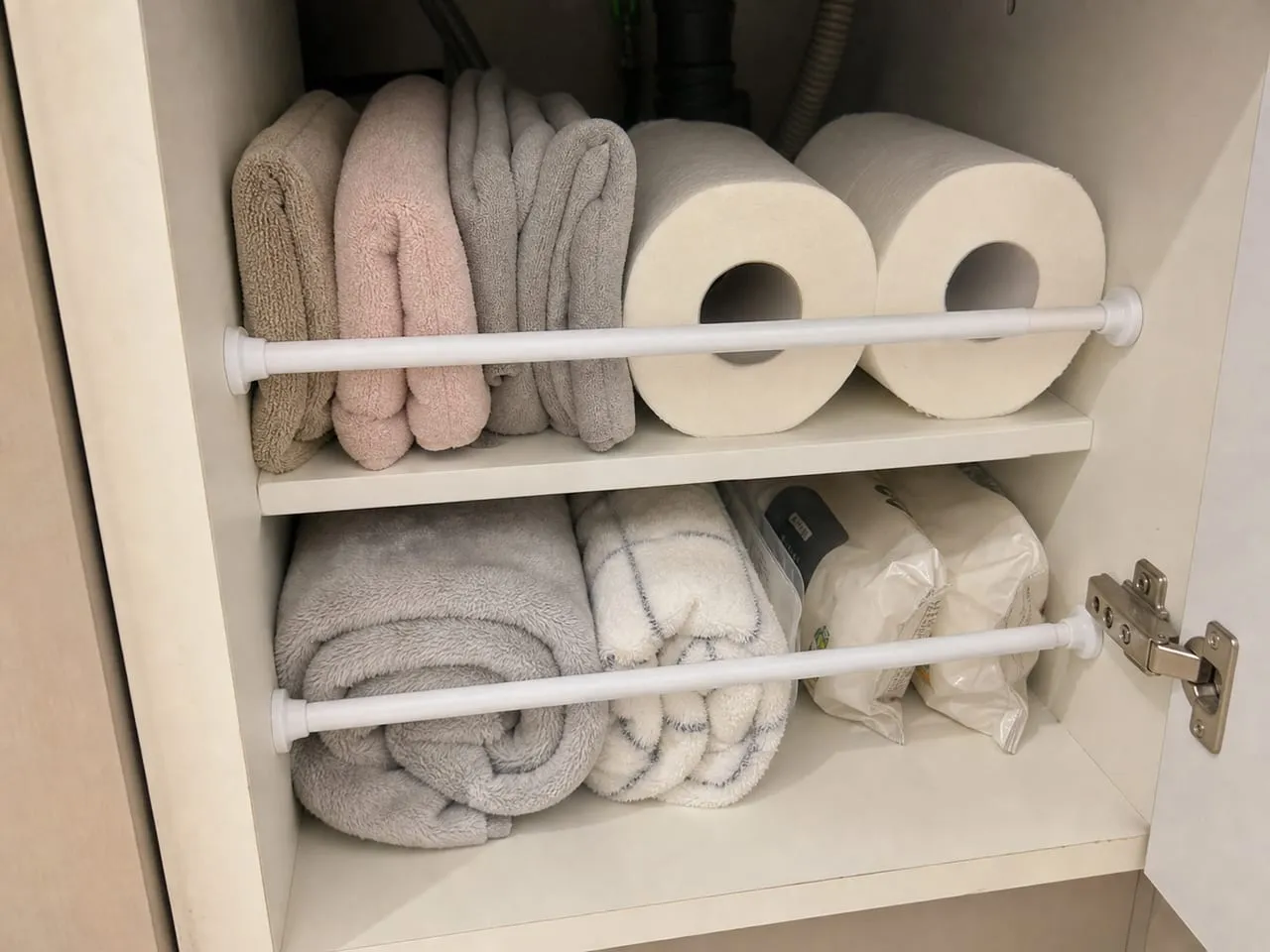
Do not treat this as a shelf. A tension rod supports itself by pressing sideways, so heavy dishes, glass jars, pans, or boards are a bad idea. If it fails, it tends to drop suddenly.
Slipping Usually Has A Reason
When a rod slips, the cause is usually one of four things: the rod is too close to maximum extension, the wall surface is slick, the load is too heavy, or the initial tension was not strong enough.
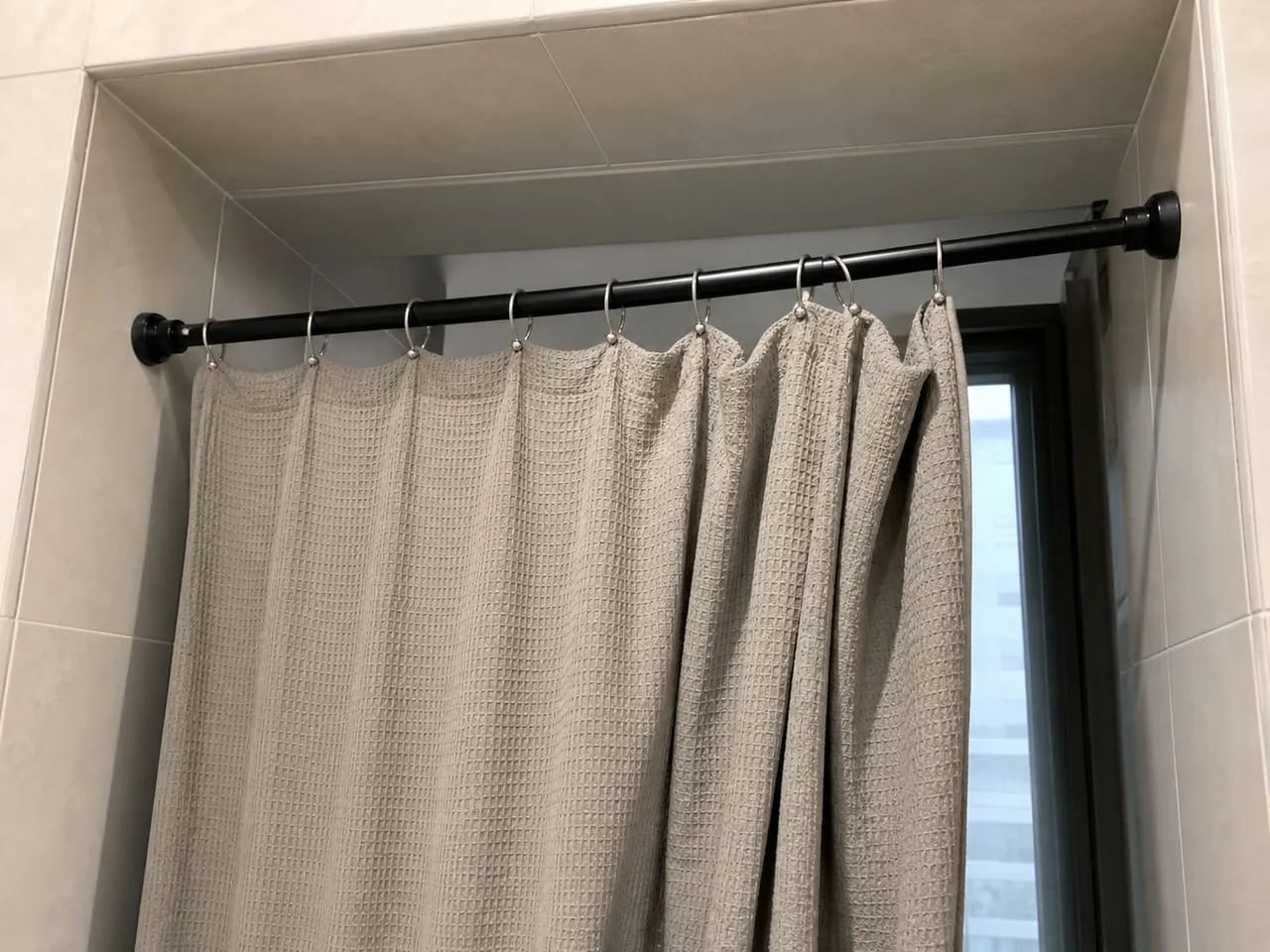
After hanging the curtain, pull lightly once and recheck the height later. If it moves, do not only twist harder. Reconsider the rod length, surface, curtain weight, and whether a different mounting method would be safer.
Comparison Options Have Different Jobs
The 80-240 cm stainless-style rod is a similar straight tension rod, but the minimum length is higher. That makes it less flexible for narrow windows or small cabinets and more suited to already wider openings.
If the rod will stay visible, the black anti-slip style rod is worth comparing. The finish can look cleaner in some rooms, but color does not automatically mean stronger. Check the length option and end-cap design.
If you want to divide a room, a basic horizontal rod is not the honest solution. A floor-to-ceiling room-divider tension system is a better comparison for a studio sleeping corner or temporary partition.
Verdict
This 50-260 cm no-drill tension curtain rod is worth a look for light curtains, closet covers, shower liners, and small cabinet organization in a rental room. The simple no-drill installation is the point.
Just measure carefully, avoid heavy loads, and remember that pressure marks can still happen. A tension rod is good for solving small light-duty problems, not for replacing a proper curtain rail or laundry bar.