Ali review
A narrow entryway shoe rack only helps if the door still clears
AliExpress narrow entryway shoe rack review covering door clearance, floor depth, shelf spacing, larger shoe fit, assembly, over-door pockets, and cabinet shelf dividers.
In a small entryway, a few everyday shoes can take over the floor. Slippers, sneakers, and indoor shoes pile up near the door, but adding a full shoe cabinet may be too much. A narrow open shoe rack can be a more realistic option if the goal is only to lift daily shoes off the floor.
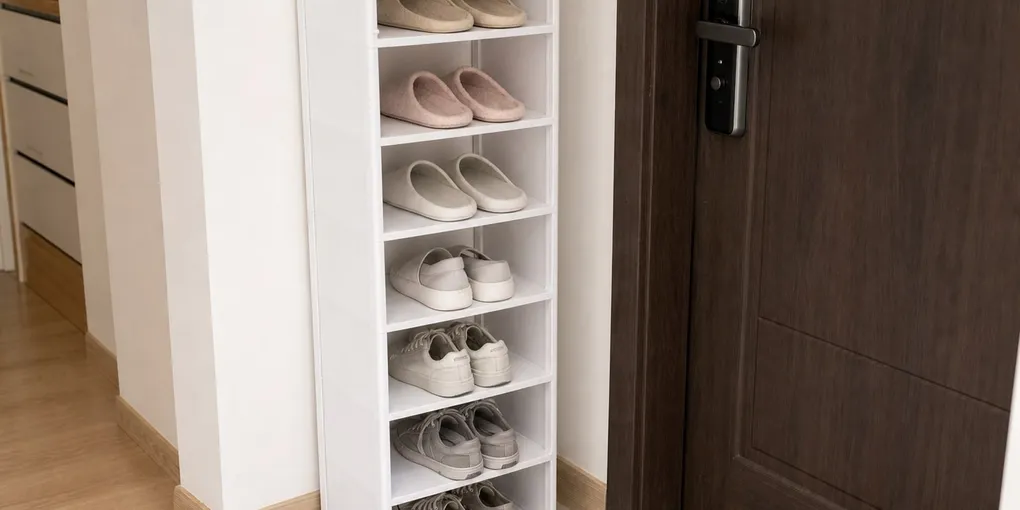
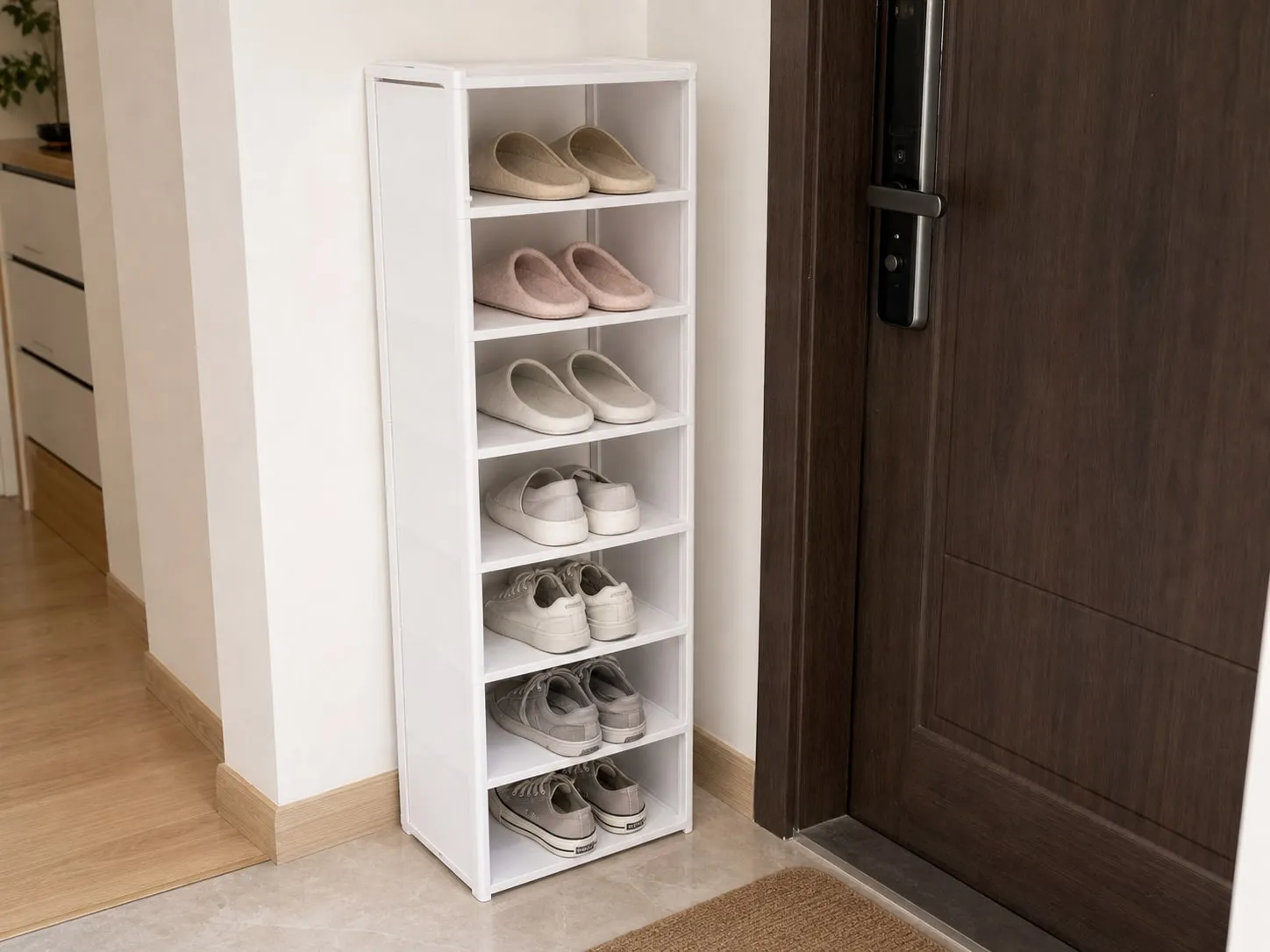
The main product here is this narrow multi-tier shoe rack. Based on the product photos, it is a tall slim open shoe shelf for placing against a wall or entryway corner.
Door Clearance Comes First
The width may look small, but depth is usually the problem in a tight entryway. Check the front door swing, inner door swing, shoe cabinet door, and walking path before thinking about shelf count.
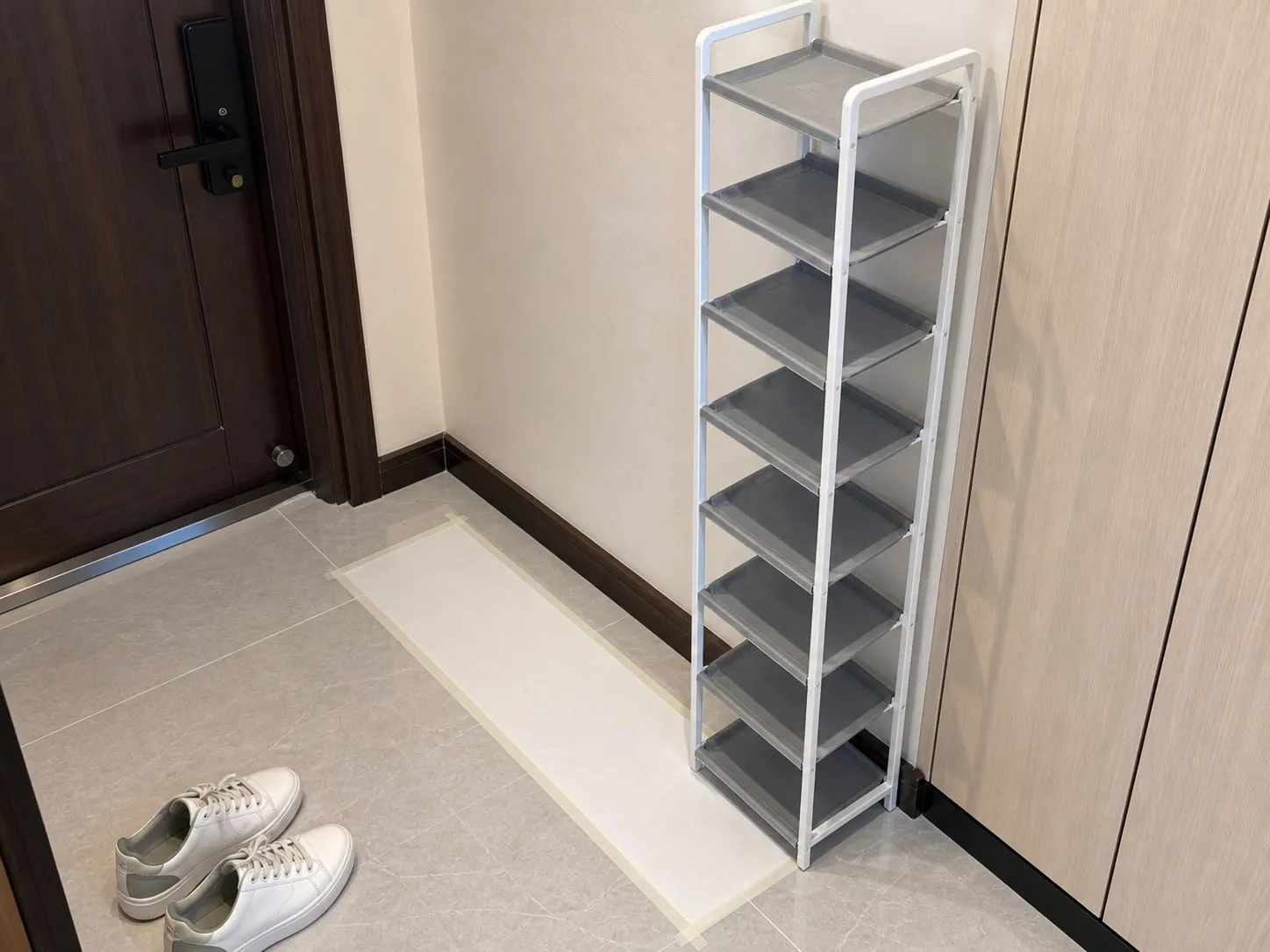
If the rack sits where the door hits it every day, it becomes another obstacle. A few centimeters can matter in an entryway. Clear the spot first and imagine how you will grab shoes, turn around, and leave.
Treat It As Light Daily Shoe Storage
This product type is closer to a lightweight assembly rack than a furniture piece. It makes the most sense for low sneakers, slippers, flats, and light everyday pairs.
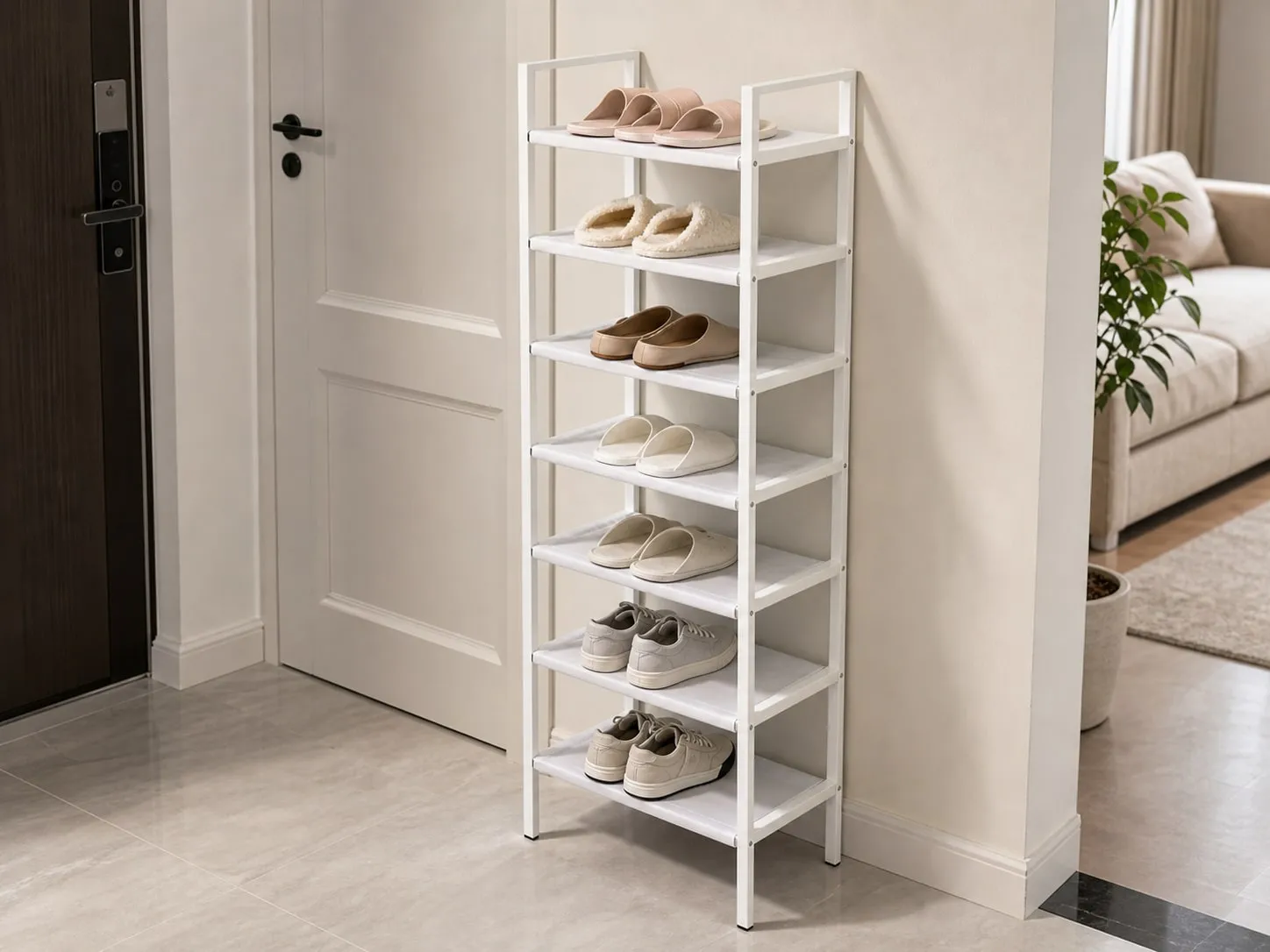
Tall narrow racks can wobble if they are bumped from the side. Keep heavier shoes lower, lighter shoes higher, and place the rack against a wall rather than in the middle of a walkway. Do not treat it as a general shelf for bags, boxes, tools, or household supplies.
Larger Shoes May Overhang
Do not assume your shoes will fit like the listing photos. Large sneakers can stick out from the front, and high-tops or boots may not fit between shelves cleanly.
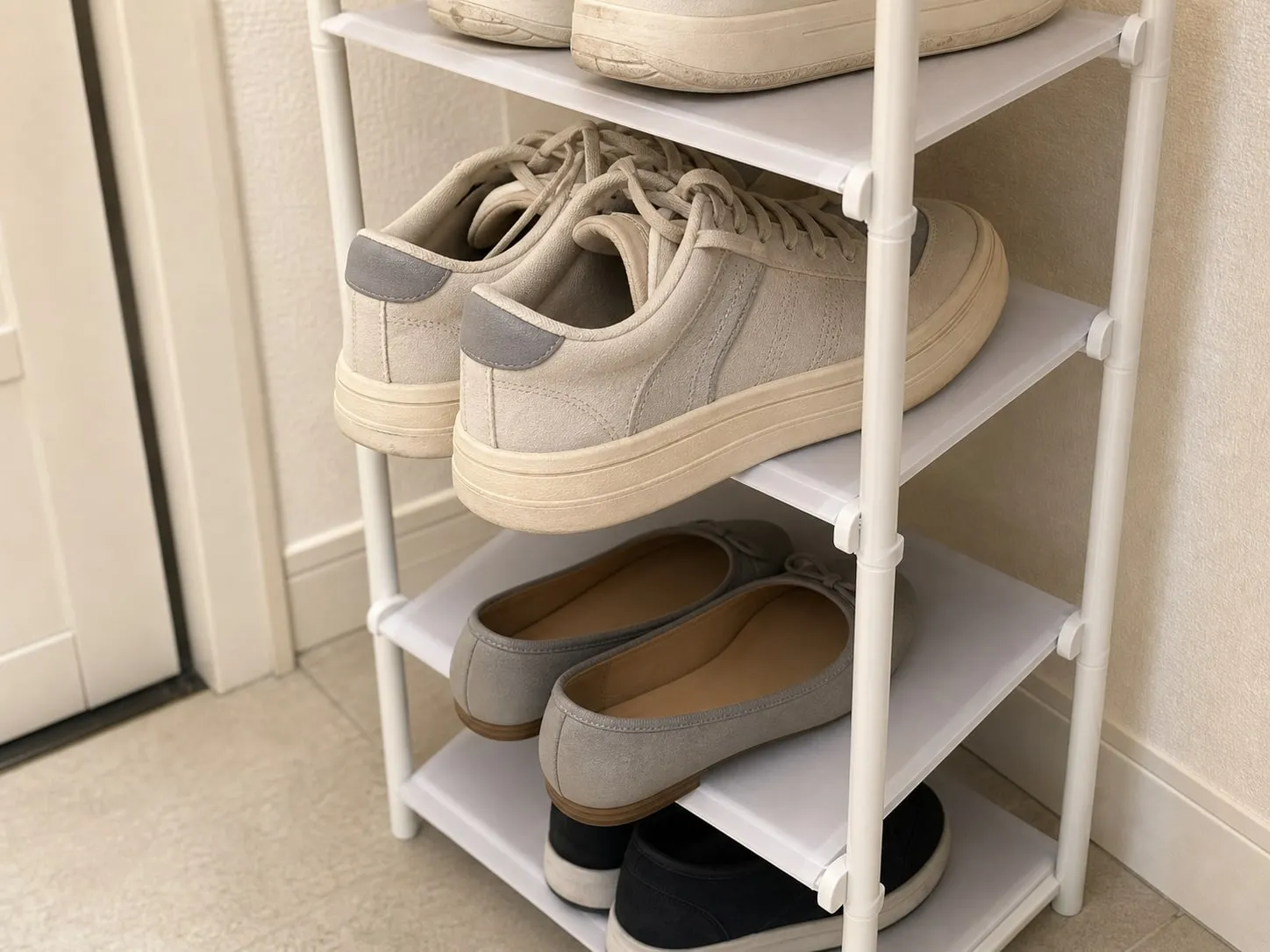
If your household has larger shoe sizes or bulky footwear, one pair may take a whole shelf and still look crowded. Think of this as a staging rack for a few daily pairs, not a full family shoe cabinet.
Assembly Quality Matters
A narrow rack like this may use slim frames, shelf panels, and plastic connectors. If a part arrives slightly bent or the direction is unclear, assembly can take more force than expected.
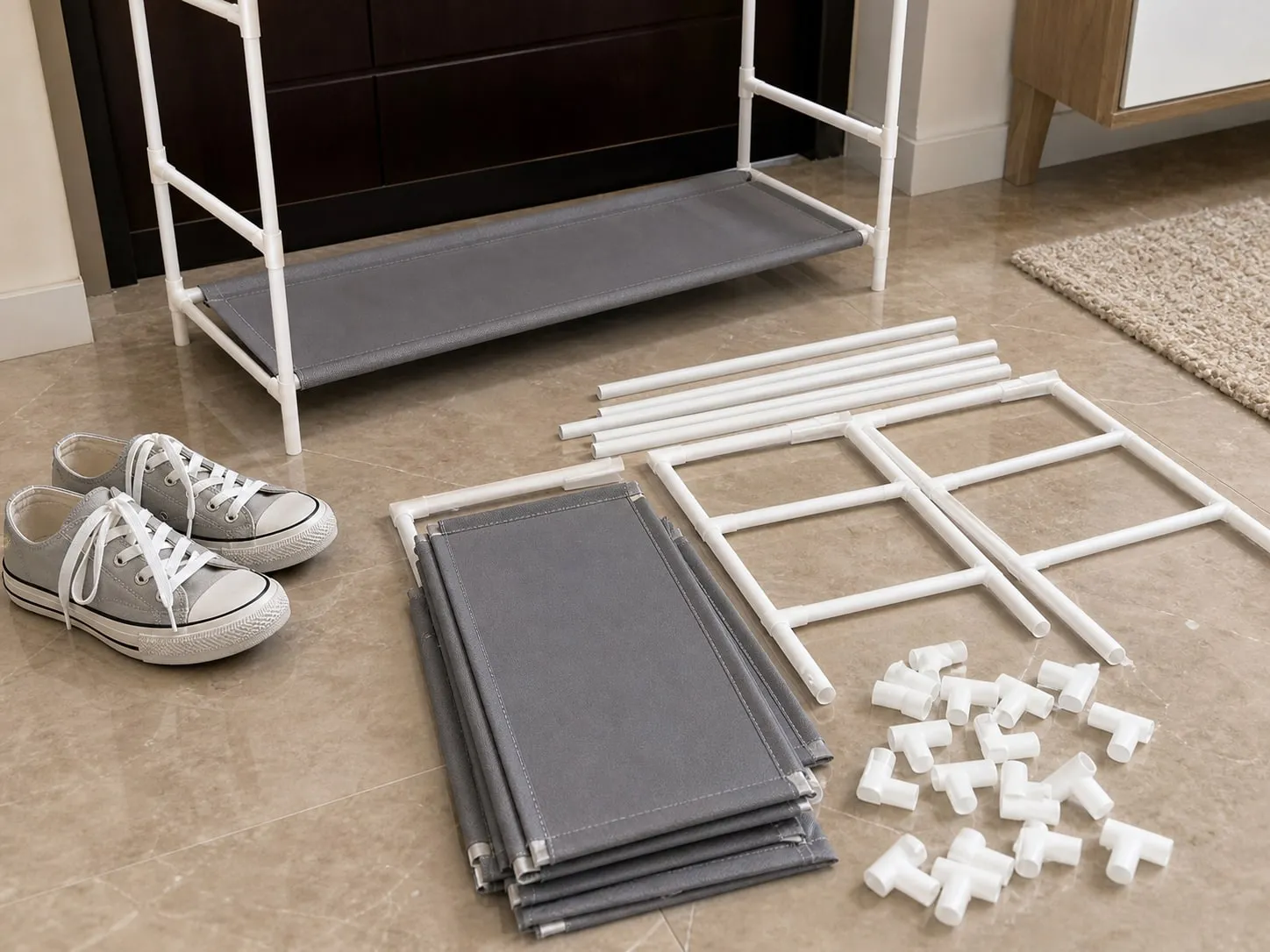
Align the parts before pushing them together. If the joints feel loose, check wobble before filling every shelf. Thin panels or fabric-like shelves can also sag visually if too much weight is concentrated in one spot.
Over-Door Pockets Save Floor Space
If there is almost no floor space, an over-door shoe pocket organizer is worth comparing. It saves floor area, but it depends on door thickness, top clearance, whether the door still closes, and where the hooks touch the paint.
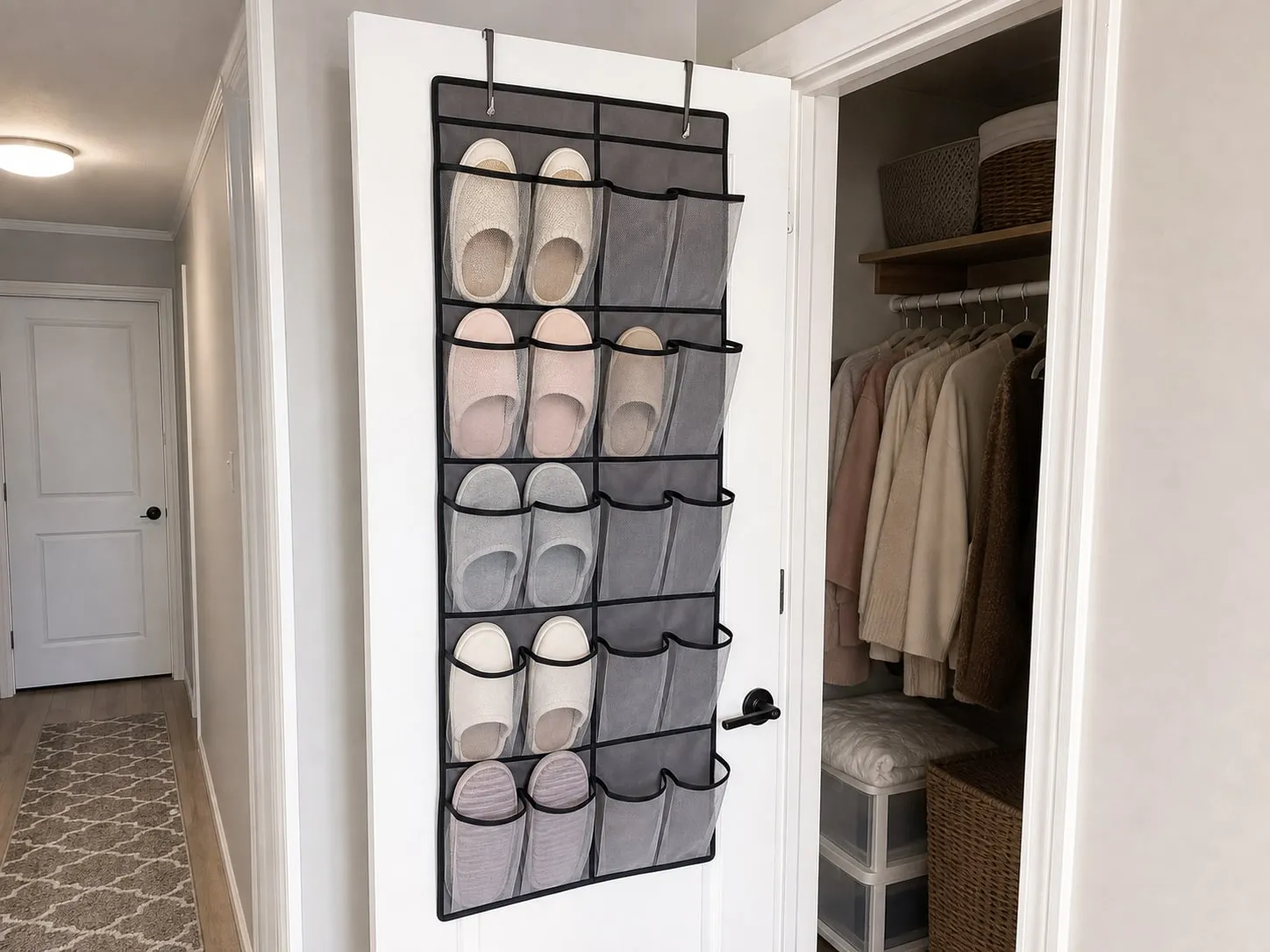
Upper pockets can be hard to reach, and thin shoes may sit loosely. The organizer can also rattle when the door moves, so the hook contact points matter.
Cabinet Shelf Dividers Work Inside Existing Storage
If you already have a shoe cabinet with wasted vertical space, an inside-cabinet shoe shelf is a different approach. It does not add anything to the entryway floor.
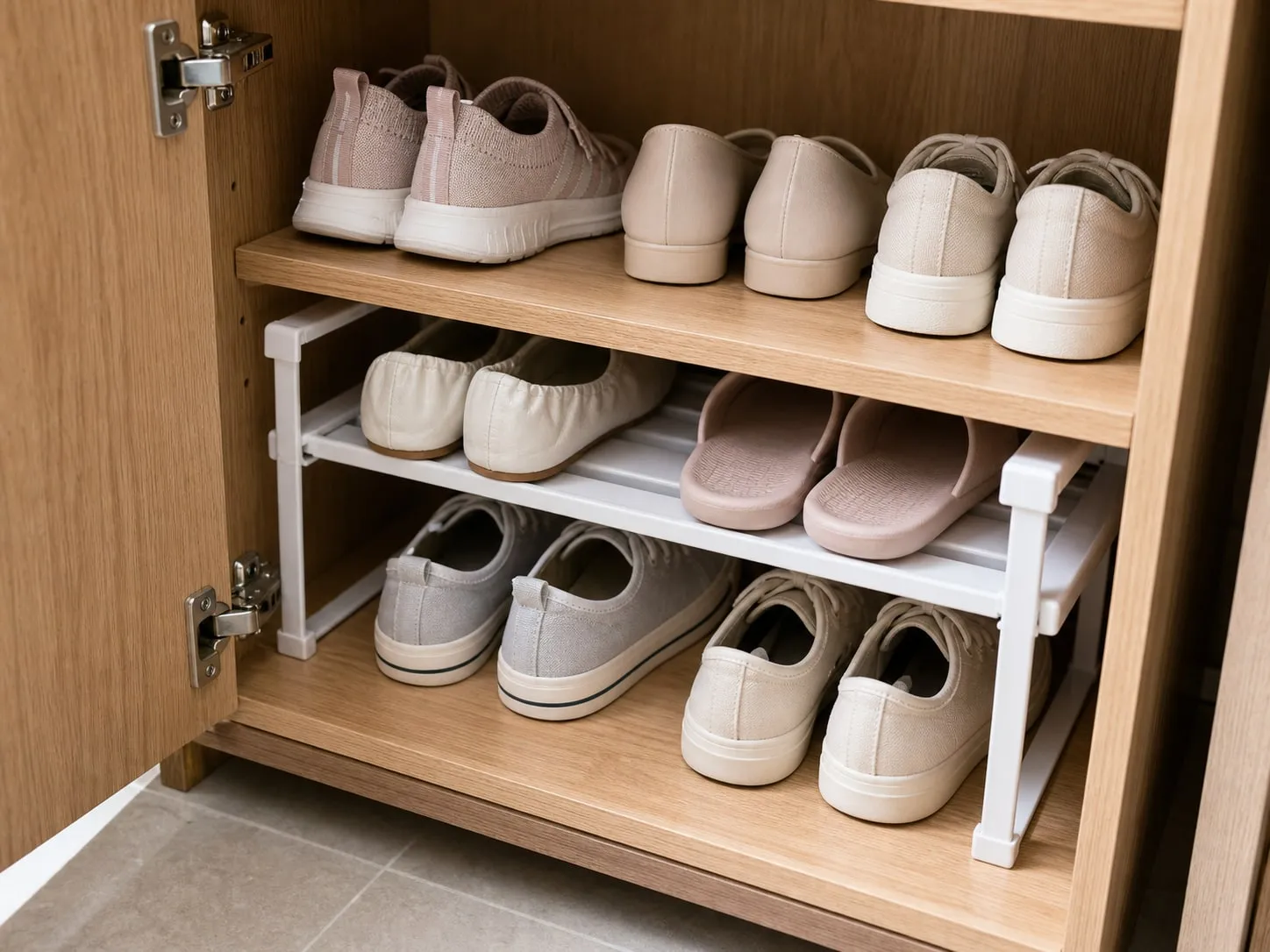
The catch is measurement. Cabinet width, depth, shelf height, and the adjustable range all have to line up. Use this only if the cabinet interior has unused height and your shoes are low enough.
Verdict
The narrow multi-tier shoe rack is worth a look if a few daily shoes keep spreading across a small entryway. It is for vertical staging, not for replacing a full shoe cabinet.
Before ordering, check floor depth, door swing, shelf spacing, shoe size, and assembly style. If you mostly store boots or bulky sneakers, or the walkway is already tight, a lower wider rack or an over-door pocket may fit better.